By 2026 public cloud spending will hit 45% of IT budgets. Learn to navigate the cloud with a robust multi cloud strategy and expert development tips.


.svg)
.svg)
In 2026, the cloud focus has shifted toward multi cloud strategy for resilience and automated cloud infrastructure management to control rising costs. For businesses, the move toward custom software development using AI-native frameworks is the primary way to maintain a competitive edge.
Recent industry data indicates a massive shift in how we spend on technology. By the end of this year, public cloud spending will account for more than 45% of all enterprise IT spending, up from less than 17% just five years ago. This rapid growth means that nearly 95% of new digital workloads are now being built on cloud native platforms. For companies like yours, this is the year where efficiency and specialized development become the deciding factors between leading the market or falling behind.
One of the biggest shifts we are seeing right now is the move toward a highly deliberate multi cloud strategy. In the past, companies might have used different providers by accident. Now, it is a strategic move to avoid vendor lock in and to pick the best tools for specific jobs.
The average enterprise currently relies on at least two or three public cloud providers. A successful multi cloud strategy today is less about managing mess and more about creating a flexible ecosystem that adapts to the needs of the business in real time.
As cloud environments grow more complex, manual oversight has become impossible. This has led to the rise of automated cloud infrastructure management. We are seeing a major increase in AIOps, which is artificial intelligence for IT operations. This technology helps teams predict failures before they happen.
How Automation Controls Your Cloud Budget:
Today, cloud infrastructure management is focused on two main things: cost and resilience. With a vast majority of organizations citing cloud spend as their top challenge, automated tools are now used to throttle resources. These systems can automatically turn off unused virtual machines or shift data to cheaper storage during low traffic hours. Additionally, the use of Infrastructure as Code has become the standard, allowing teams to deploy entire environments with a single script, ensuring that every setup is identical and free from human error.
The way we build apps has changed because the cloud has changed. Modern custom software development is almost entirely centered on microservices and serverless architectures. Instead of building one giant piece of software, developers are creating small, independent parts that talk to each other. This modular approach is a game changer for speed. If you need to update a specific feature, like a payment gateway, you do not have to take down your whole website. You simply update that one microservice. For any custom software development company, the focus has shifted toward cloud native design. This means software is built from day one to take advantage of cloud features like auto scaling and global distribution. It results in applications that are faster, more reliable, and much easier to maintain over time.
Data privacy has become a top priority, leading to the rise of sovereign clouds. Many countries now require that data about their citizens stays within their borders. Cloud providers have responded by building smaller, localized data centers that comply with these specific laws.
At the same time, we are seeing the Edge become more powerful. Instead of sending every bit of data to a giant data center thousands of miles away, processing is happening closer to where the data is created. This happens on factory floors, in retail stores, or even inside smart vehicles. This reduces lag to almost zero, which is vital for the AI driven tools we use every day. The cloud has stopped being a distant place and started being everywhere at once.
Building for the cloud is no longer a DIY project for most businesses. The technical bar is higher than ever, which is why more firms are partnering with a custom software development company that understands the modern landscape. When you work with experts, you are not just getting code. You are getting a partner who understands how to integrate custom software development with modern security protocols like Zero Trust. Identity is the new perimeter. Partnerships now focus on building security by design, where every line of code is written with the assumption that the network might be compromised. This proactive approach is what keeps modern digital platforms safe from increasingly sophisticated AI driven threats.
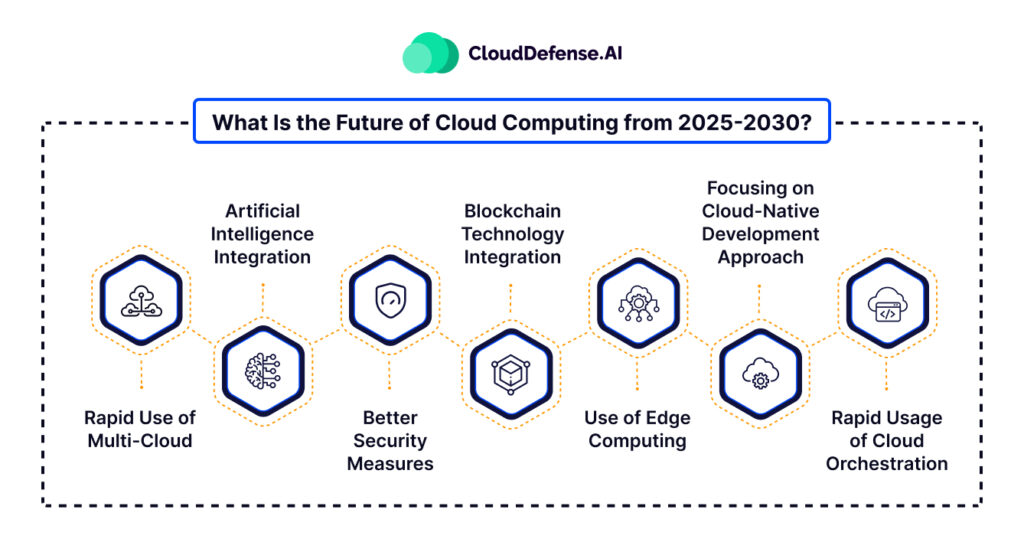
Sustainability is no longer a footnote in corporate reports. It is a central part of cloud strategy. Major providers are investing heavily in renewable energy to power their data centers. However, the responsibility also lies with the users through green coding. This refers to writing efficient code that requires less processing power and, therefore, less energy. Also, we have moved beyond just running AI on the cloud. We are now in the era of AI native clouds. Cloud providers are offering specialized hardware, like TPUs and GPUs, as a standard service. This allows even small startups to access the kind of computing power that was once reserved for tech giants. This democratization of AI is fueling a new wave of innovation across every industry.
Financial Operations, or FinOps, has moved from a niche practice to a core part of cloud strategy. It is no longer enough to just be in the cloud. You have to be there profitably. Businesses are now using real time dashboards to track the cost of every single user interaction. Serverless computing has also evolved. In its early days, it was used for small, simple tasks. Now, it is capable of handling complex, long running processes. This version of serverless allows developers to focus entirely on the logic of their applications without ever thinking about the servers underneath. The benefit is pure efficiency. You only pay for the exact millisecond your code is running.
Blue Coding enables businesses in navigating the complexities of modern technology. Our team focuses on delivering high quality solutions that align with the latest industry shifts, ensuring your digital infrastructure is ready for the challenges of tomorrow. We understand that every project is unique, which is why we provide a first free call for queries to discuss your specific needs and how we can help you scale effectively. Contact us today to book your call!


Subscribe to our blog and get the latest articles, insights, and industry updates delivered straight to your inbox